

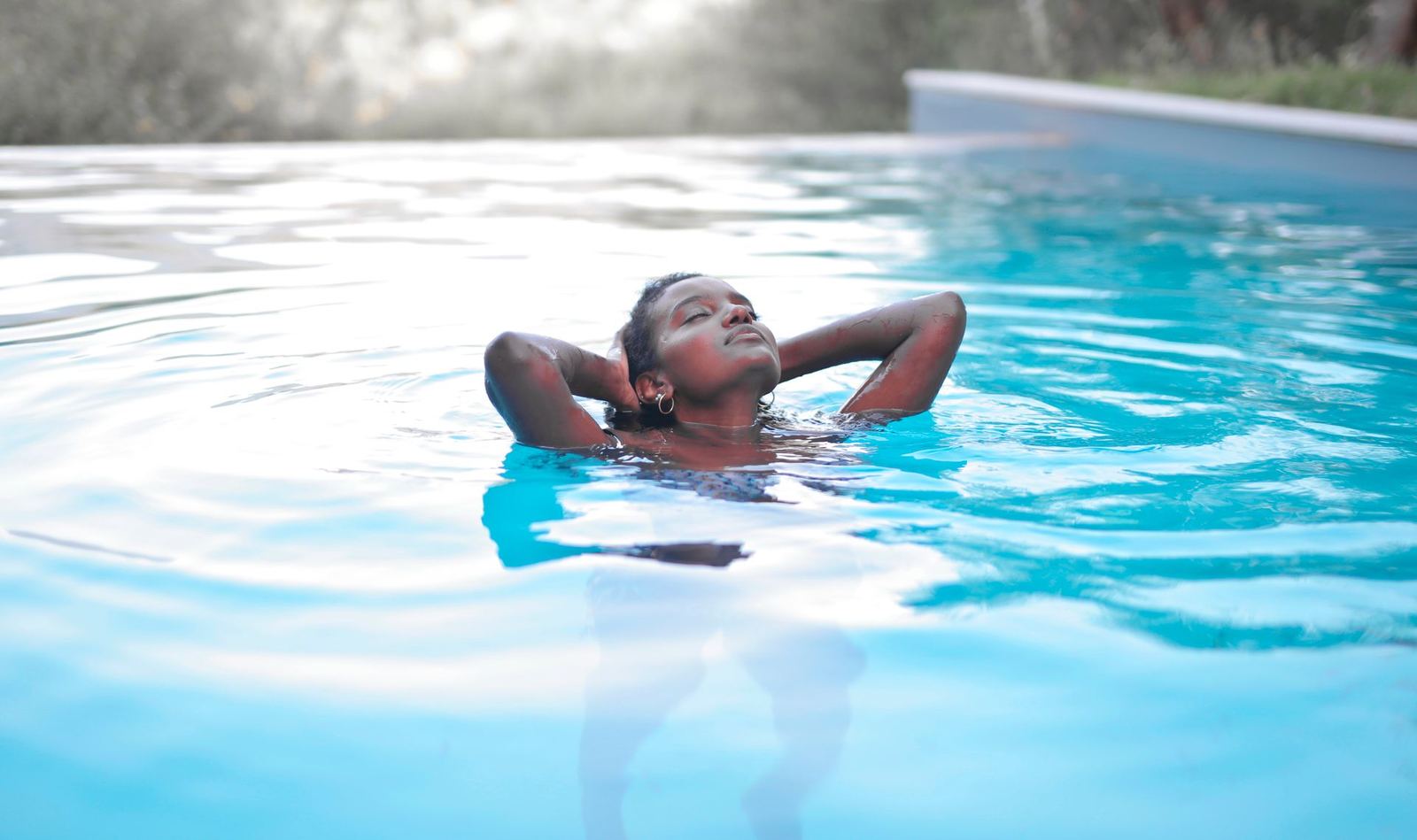
Fear of water is not a personality trait but a learned response. Here is the path we follow in our Adult Beginners programme.
Many people who join our adult groups come not because they cannot swim but because they do not feel safe in water. We hear many different stories: a childhood experience of nearly drowning, being caught by a wave at sea, or simply never having had the chance. What they share is this: a fear of water is not a personality trait but a learned response, and with the right steps it can be relearned.
Step 1: Talking
Before you start the Adult Beginners programme we hold a free 30-minute introductory meeting with one of our coaches. We talk about the moments when you feel uneasy, and whether it is getting your face wet or not feeling the floor under your feet that bothers you. This directly shapes how the first lessons are planned.
Step 2: Breath control
The physical side of a fear of water is usually holding the breath. In a moment of panic the body locks the breath, which increases anxiety. In the first lessons, in the teaching pool and with your feet on the floor, we practise breathing out rhythmically through the nose. Learning to breathe out under water is the first experience that tells you that you are in control.
Step 3: Floating and standing up
Many adults are not afraid of floating but of not being able to stand up while floating. So before teaching floating we teach how to stand up from a front and a back position. Drawing the knees to the chest and pressing the arms down lets you stand up in shallow water in two seconds. Once this skill is in place, floating follows naturally.
Step 4: Distance and strokes
When floating and breathing come together, freestyle and backstroke leg and arm work begins. We progress in the shallow lane over distances where you can stand up whenever you want. Most participants swim 10 metres unaided within eight to twelve lessons.
Step 5: Deep water
In the final weeks of the programme we move to the deep end while holding the side. First treading water with the legs without letting go, then letting go for a few seconds. No stage is compulsory; you can leave a step you do not feel ready for until the next lesson.
What if the anxiety comes back?
Progress is not always a straight line. After a few relaxed lessons it is perfectly normal to feel uneasy again one day; tiredness, stress or a busy session can trigger it. On such a day, going back to the previous step is not going backwards but strengthening the foundation. Our coaches ask how you feel at the start of every lesson and adjust the plan accordingly. A short review after the lesson and noting small wins also helps keep motivation up.
Group or private lessons?
For most participants it helps to be with people who share similar worries. But if getting into the water in front of others is very hard for you, we recommend taking the first four lessons as private lessons. We also ask for a doctor’s approval before you start if you have conditions such as cardiovascular disease, epilepsy or recent surgery.
Overcoming a fear of water is not a race. When you progress at your own pace, the pool stops being a source of anxiety and becomes the most relaxing hour of your week.